I suspect I am turning my fallow summer deck garden into an endless lab experiment by taking the tops and seeds from some sweet and hot peppers and burying them in the soil to see if the seeds will sprout come spring. An update to follow in about six weeks if past weather patterns are any indication.
I have also become much more disciplined about keeping bones and seafood shells storing them in the freezer to make broths and stocks. Yes, both can be found on sale at various grocery stores for cheap when you hunt the sales but there is nothing like freshly made broth and stock for depth of flavor. So, keep on saving those vegetables scraps and bones and shells and roast the bones before you make stock to add a much more complex flavor.
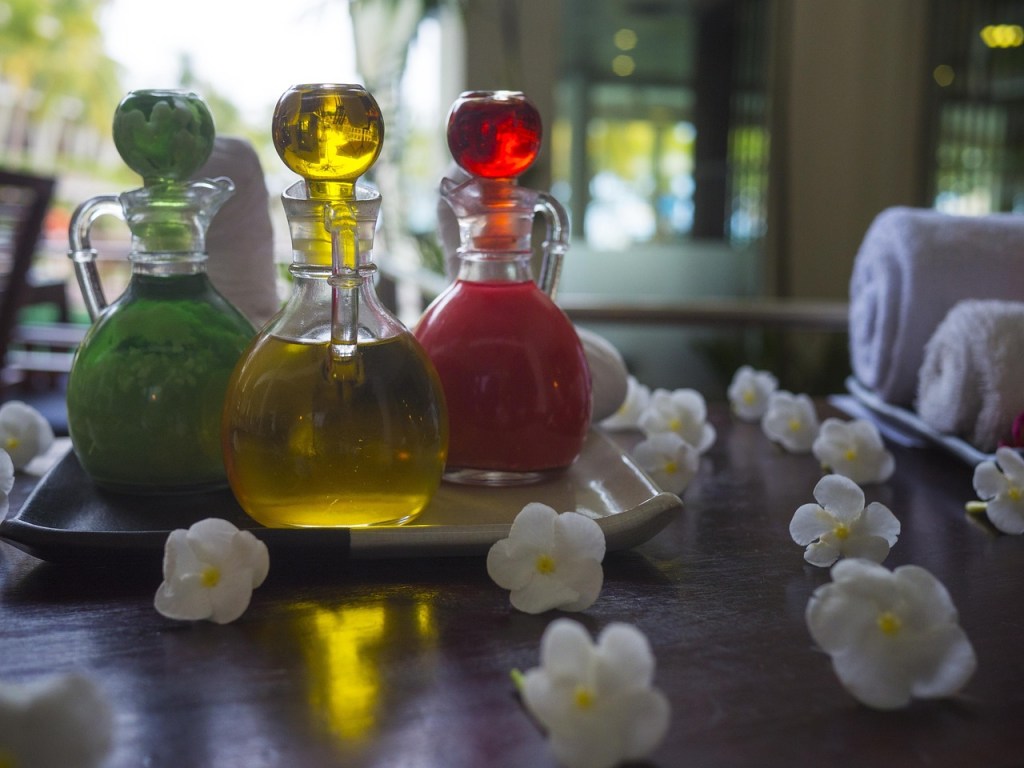
Another something from nothing can be found with herb stems. It doesn’t matter what kind actually but save those stems. They make great additions to the stock I mentioned above along with herbal oils. For a savory herbal oil, simply rough chop the stems, add them to a pot of gently simmering neutral oil and after a few minutes of letting the stems seep, turn off the heat, let cool, strain and store the oil in the fridge. The oil makes a great addition to salad dressings, marinades, drizzled over soups…all kinds of uses can be found for herbal oils.
As for tough veggie stalks like kale, beets and such, you can grind them up for thickening soups, stews and even smoothies but the taste tends to be fairly strong for me so instead, I like to offer them roughly chopped to the frankly adorable bunnies that hop about on my front lawn some nights or leave them out for the deer that amble at the back of the Enchanted Forest. Carrot tops I use to make pesto and freeze in ice cube containers for a quick flavor bomb additions to pastas, stir-fries and more. Carrot tops also make a wonderful dip base. Beet greens make a wonderful addition to smoothies, they are not as strong as the taste of kale, so I like to use them up that way.
One great use for something that definitely gets thrown away all the time is the whey that comes from draining yogurt. I make homemade yogurt frequently and like to drain at least half of every batch for a thicker Greek yogurt which leaves me with a lot of watery whey. Don’t throw that away, it is full of nutrients. Instead, dilute it with water to double the volume and then pour it into your plant soil. It is a natural fertilizer and takes just a minute to create a great nourishing addition for your plants. And while you are at it, dig in a bit of used coffee grounds or tea leaves to bump up the acidity in your garden soil when needed. Both also make a wonderful natural dye for old kitchen towels, they lend a natural, antique finish to dyable fabrics. I like to check out the thrift stores for clean, cotton hand towels, handkerchiefs and even tee shirts and dye then using tea leaves or coffee grounds. I then use them to line gift baskets.
Tough vegetable stalks like broccoli and cauliflower represent one of my favorite something from nothing meal hacks. I take the core of a cauliflower and thinly slice it up into chips, same for broccoli. I either use my air fryer or deep fry them for delicious chips. I also take them both, chop them up finely and nuke them in the microwave for a couple of minutes until fork tender. Then I stir in a cup of cheese sauce and use them for a dinner time chunky dip. It is one of my cheat meals; I will dip some leftover bread cubes into the veggie sauce as well. Kind of like a veggie-forward fondue but with great nutritional value.
Egg shells are a project for me, so I simply save them all crunched up in a freezer bag in the freezer until I am ready to grind a batch into a powdery dust. It takes some doing, along with a noisy blender, but once I have a batch of eggshell dust, I dig it into my plant soil to boost the calcium.
Use celery leaves the way you would an herb, finely chopped into everything from egg and tuna salad to soups. They are very flavorful and should not be wasted. I have very successfully turned the bottom of celery plants into another planting by cutting off about four to five inches of the bottom, letting it sit for a couple of weeks in a shallow pan of water (change the water frequently) until fresh stalks are a couple of inches long. I then plant the rooted celery base in my garden and enjoy tender celery stalks throughout most of the year. They normally don’t make it entirely through our cold winters but three-quarters of the year I am able to enjoy celery for free. Same for green onions. The roots take easily and I never have to buy green onions after planting a bunch of roots. I haven’t had quite the same luck with carrots and lettuce, but I do keep trying. Gardening is my chemistry lab for sure. And it goes without saying that most all of your veggie scraps should be going into a compost system of some sort.
Overall, the best habit you can develop for something from nothing is to simply pause before you toss anything in the trash and ask yourself, what else can I do with this? Is there another use for it? I never let a container hit the trash because I use them for everything from discarding use kitchen oil (never put oil down your kitchen drain!) to packaging up food for my partner’s dad when he comes to visit. Large soda containers I very rarely buy but I also don’t let them end up in the garbage. Instead, after they are empty, I cut the bottoms off and invert them in my garden to create a mini-greenhouse effect. The cut off bottoms make very good plant saucers; just poke a few holes in them for drainage. They help plants to germinate and, in a pinch, they make great funnels.
So, before you toss out just about anything, pause for a second and ask yourself what else you can use the item for. Nearly everything that ends up in the trash and landfill is a potential something from nothing.

Easy Carrot Dip
Ingredients:
- 1/3 to 1/2 cup or fist full of carrot greens, roughly chopped
- 2 cups of cooked white beans, any kind
- 2 cloves garlic minced
- 1 lemon zest and juice
- ½ cup parsley and basil chopped or two tablespoons dried
- Big pinch sea salt
- Big pinch freshly ground black pepper
- 1/2 cup extra virgin olive oil
Method:
Cram everything but the oil into a food processor and zap until roughly chopped. Add the oil in a steady stream. If the consistency isn’t to your liking, add a bit of plain yogurt to smooth it out. Top with a drizzle of herbal stem oil. Serve with cut, raw veggies and crackers.
 the house behind