Every so often my partner and I do a quick grocery store run for just a few items. It usually is driven by dinner, something I need to complete a recipe that I just don’t happen to have. This is when I like to amuse myself by checking out the food aisles and noting the things that I will NEVER buy:
- Croutons. A colorful plastic (never a good thing, plastic) bag of what is essentially crisped up bread cubes can set you back $3. Wow, what a waste of $3. You might as well just take three one-dollar bills and set them on fire. Instead, I save my bread ends and cut them in nice little squares. I then add a generous glob of vegetable oil to a cast iron skillet and a generous spoonful of minced garlic. I toss well and season generously with salt and pepper. Finally, I toast in a hot oven (400F-deg) until golden and crispy.
- Breadcrumbs. These cost upwards of $2.50 and up. What another waste of money. All one needs to do is save the odds and ends of bread and, for fresh breadcrumbs, blitz them in a food processor. You can also toast them plain, blitz them and freeze. Either way, a perfect use for the ends of bread loaves and bits of bread.
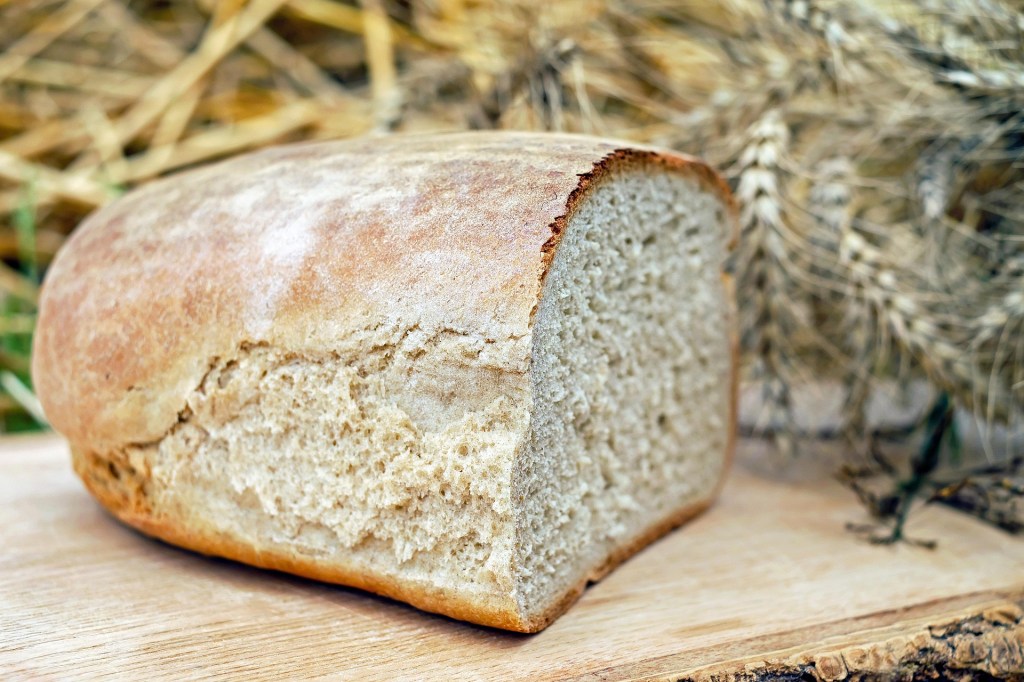
- Most breads. I don’t expect everyone to bake their own bread of every kind but baking a loaf a week is a great way to have fresh bread on hand and not hard at all. A small family of 2-3 people will use up one to 1-1 1.2 loaves a week. Homemade costs $.50 to $1.50 versus upwards of $5 a loaf from the grocery store. And nothing beats the smell of a freshly baked loaf coming hot out of the oven.
- Salad dressing. This is a one-to-four cost with the average homemade dressing costing about a buck and store-bought priced at around $4 a bottle. Even better, you can whisk up just what you need and save a bundle. My partner claims he could have gone to Europe and back (slight exaggeration) with the money he wasted on endless bottles of salad dressings gone bad.
- Flavored yogurt. I get buying the big tubs of plain yogurt which are endlessly versatile but the little plastic cups? And just to give you an idea, homemade is 2x to 5x cheaper than buying the fancy stuff from the store. A gallon of milk is anywhere from $3-4 and yields a LOT of homemade yogurt which you can flavor any way you like and what better way to use up fruit that is languishing in your fridge?
- Preserves. I always love to tell the true story of when my daughter was about 10 years old and we were grocery shopping. She spied an aisle of colorful jars and came running to me, excitedly explaining to me that we actually didn’t have to make jams and jellies! The store actually had them for sale! I let her buy what she wanted but she quickly decided mom’s homemade versions were much better. One of our favorite food memories snacking on hot pepper jelly with cream cheese over crackers. A tiny jar of this hot-sweet treat can run you $8 and up whereas I make mine for less than $1.50 a jar, including the jars themselves. Now, preserving takes a bit of time and definitely is a skill that needs practice, but it is well worth the effort. A good frugal strategy is to wait for the ingredients you want to go on sale or hit the farmer’s market at closing time and negotiate a deal for leftover fruit. Most vendors do not want to take fruit that has been sitting out in a hot stall all day long home. You can generally get a good deal; just be prepared to go straight home and can your fruit immediately.
- Pickled vegetables. Making pickles takes a bit of time and effort, like preserving, so it is a skill definitely worth learning. You also need something like calcium chloride or alum to help keep those pickles from getting soggy but again, well worth the minimal cost. But before you jump into the world of pickling pickles, consider making quick pickling your own onions and other veggies for salads. Normally all you need is vinegar, salt, spices and a bit of sugar and the veggies will keep for a long time in the fridge. Store bought pickled onions are very pricy, about $6 a jar versus less than a dollar if you do it yourself.
- Most spice mixes. Make your own. Please. Using the spices you already have in your pantry, you can whip up your own mixes. I make a winter spice mix every fall (ground cinnamon, cloves, allspice, cardamon, nutmeg) which rivals any store-bought pricy pumpkin spice mix and costs me pennies. Same for my year-round all spice mix which consists of paprika, salt, pepper, onion powder, garlic powder, rosemary, thyme, dried parsley…whatever I have on hand. I put it all in a shaker and use it liberally throughout the week as I cook. It is my secret seasoning agent for countless meals and costs next to nothing. You can save upwards of 70% just pulling spices from your pantry and making your own mixes.
- Oatmeal mixes. Those cute little packages of pre-seasoned oatmeal have nothing on overnight, slow cooker homemade versions. You can save upwards of a whopping 75% simply by mixing plain oats, flavorings and some milk and slow cooking overnight. As a bonus, breakfast is ready when you get up in the morning and infinitely flexible. You can flavor your morning oats any way you like; add maple syrup, brown sugar, preserves…whatever the kids (and you) like.
- Tea and coffee mixes. I laughed the other day when my partner and I were in the grocery store, and he innocently asked if I wanted to buy a large jug of iced tea. Really? Seriously? He asked because he knows I drink it, but what he didn’t realize is that I always make it from scratch. A gallon cost $5 but for literal pennies, I make it at home starting every spring. I simply put a few teabags in a pitcher with water and let it sit in the sun for a few hours. It literally costs pennies and I serve it all summer long. Same for iced coffee. I’ll brew up a pot (French-pressed) of coffee, let it cool and flavor as I like before putting it in the fridge. It never lasts very long and again, costs pennies versus $5 or more. And goes without saying that small bottles of individual servings of both are outrageously expensive. Don’t. Just don’t.
- Coating mixes. Those bright little boxes of what are essentially flavored breadcrumb mixes for coating and baking can run you $4 or more. I use my homemade breadcrumbs and my homemade spice mix and I save the cost, spending only pennies. Plus, my partner, who adores a baked pork chop any day of the week, says my homemade version is much better. Enough said.
- Nearly instant anything. Microwavable mac and cheese for example. I can make a batch of my million-cheese mac and cheese (named so by my intrepid granddaughter Claudia The Baby because she says it tastes like there are a million cheeses in it) for a fraction of the cost that the convenience versions cost.
- Applesauce. It costs about $1.70 a cup if you buy it versus about $.80 a cup to make it, less if you get apples on sale. I wait until apples go on special and make a batch, freezing what I don’t use up right away. I also can it when I have the time and jars handy. My friends go to a big box store every single week (they have very pampered, large-scale pups) and when I am in need of bulk produce like onions or apples, I simply ask them to pick me up what I need and pay them back when they drop off the goods. The cost is generally far less than the local grocery store but not worth me making a trip to the Big Box store for that one item. Goes without saying, I have very good friends.
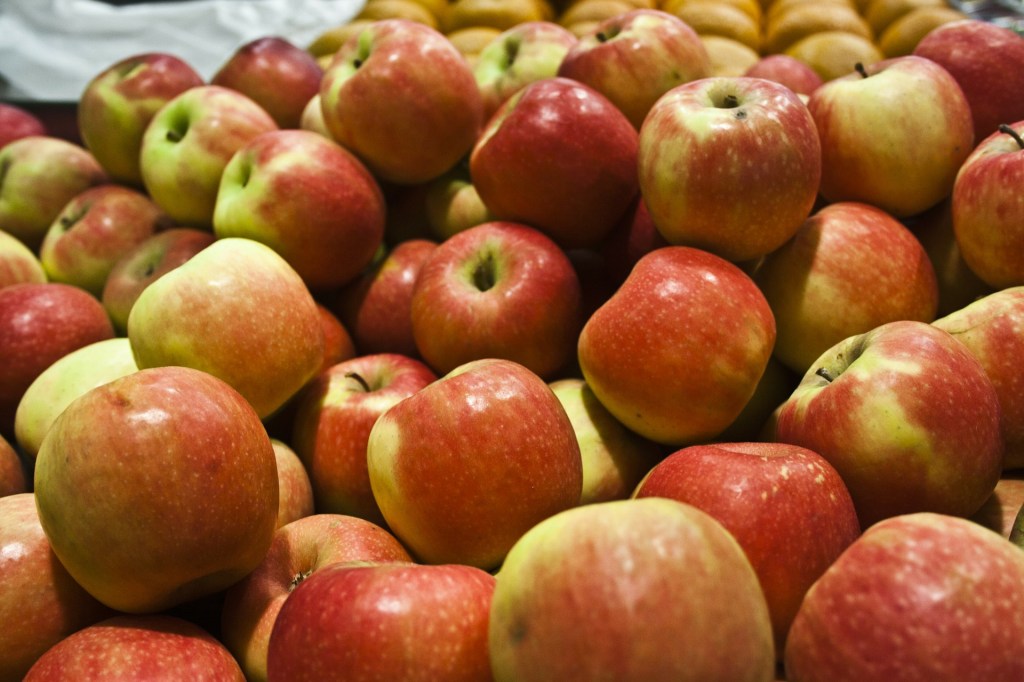
Applesauce Made Easy
Ingredients
10 apples, whatever variety is fine although I like Pippin
1-2 cups sugar to taste
1 tablespoon ground cinnamon or to taste
pinch salt
water to cover
Method:
Cut the apples up in small chunks and place in a pot with the sugar and spices. Add water to cover and simmer until soft. Let cool. Please in the blender and process until smooth (or chunky, depending on how you like it). Process in canning jars or freeze and use as needed.
A Humble Loaf of Bread
Ingredients:
2 packs active dry yeast or regular yeast
2 tablespoons white sugar
2 1/2 cups warm (110deg-F) water
6 to 6 1/2 cups all-purpose flour
3 tablespoons butter softened
1 teaspoon kosher salt
Vegetable oil
Method:
Dissolve yeast and sugar in warm water in a large bowl. Wait about five minutes for the yeast to become foamy and activate. Stir in 2 cups flour, butter, and salt. Stir in the remaining flour, 1/2 cup at a time, mixing well after each addition. When the dough comes together, turn it out onto a lightly floured surface and knead until smooth and elastic, about 8 minutes or use your kitchen aid mixer and knead until smooth and elastic.
Oil a large bowl with about a teaspoon of vegetable oil and place the dough in the bowl and turn to coat with oil. Cover with a cloth and let rise in a warm place until doubled in volume, about 1 hour to 90 minutes.
Grease two loaf pans. Punch the dough down and place it on a lightly floured surface. Divide the dough into two equal pieces and form into loaves. Put the loaves into the prepared pans, cover with a cloth, and let rise again until doubled in volume, about an hour.
Five minutes before working with the dough, preheat the oven to 425 deg-F. Place bread in the preheated oven and lower the temperature to 375 deg-F immediately. Bake until the top is golden brown and the bottom of the loaf sounds hollow when tapped. This will take approximately 30 minutes. Freezes well although nothing beats fresh out of the oven bread.
This recipe is endlessly flexible. Top with kosher salt or finely chopped roasted seeds or nuts. Add a teaspoon of ground cinnamon or another spice. Make it your own.
###

