In part one of this blog I listed all the things frugal folks should never buy at the grocery store. In part two, I thought it would be helpful to wax poetic about the things you should never buy outside of the grocery store:
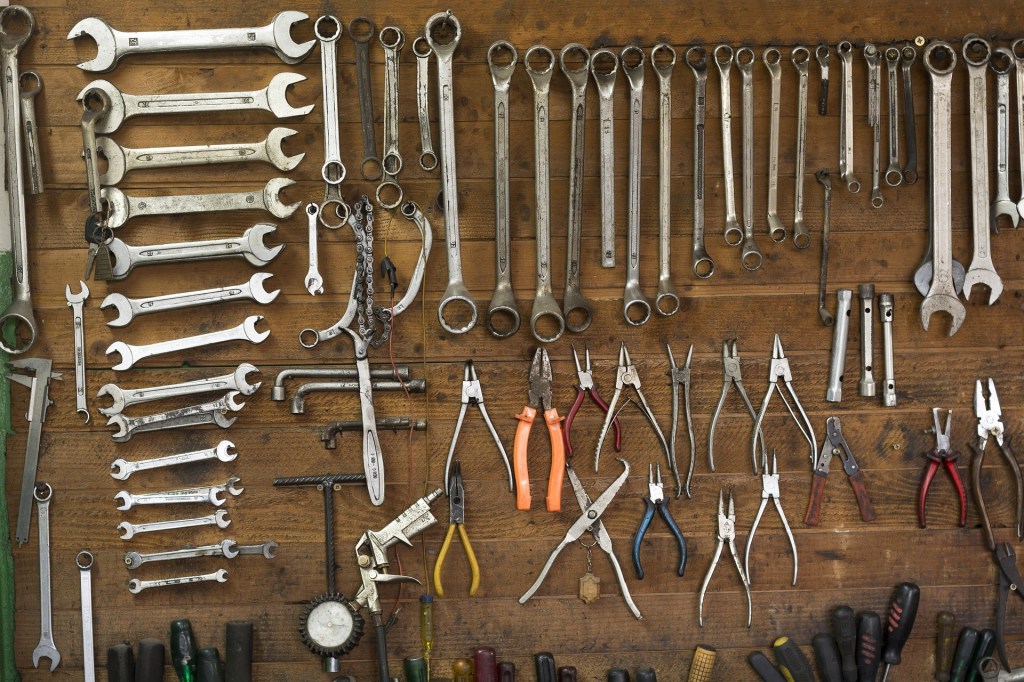
- Any tool you only use seasonally. You can rent or borrow most tools. You don’t need to spend money on something you only use a few times a year. Think weed and bush whackers, water pressure cleaning systems, chain saws, etc. Years ago, my parents lived in Tahoe which was often snow-bound in the winter. They lived on a side street that the city would often delay for days when needing to clear roads of ice and snow. Fortunately, my parents and all their neighbors got along well, so they pitched in to buy a snow blowing machine and shared it, taking turns clearing their driveways. It was a great, frugal solution for the entire neighborhood.
- Most small kitchen appliances. Thrift stores are full of good culinary intentions that went south. Air fryers, waffle makers, mixers, you name it. As I noted in a previous post, my prized score in this area was a hand mixer that I’ve been using for years. It still works perfectly and I paid just $3.
- Pretty China. Gone are the days that you need to spend $150 on a matching place setting of good China. Collect what you find, over time, at thrift stores, flea markets and garage sales and mix and match. I have several very expensive designer plates that literally cost me a dollar each and we use them all the time.
- Art. Never buy expensive art from an overpriced, snooty gallery. I have been haunting the work of a very popular local artist ever since I moved to my current location. Her pieces normally cost hundreds of dollars, more for signed originals, but I was recently at an estate sale where, on the last day and last hour of the sale, her artwork went for fraction of what it normally costs. I ended up spending $15 for an original signed piece of art that I’d long been coveting. Also, thrift stores often have interesting art. Framing can be expensive to choose wisely and keep all your good art. You can rotate it every few years to freshen up your decor.
- Home decor. Spending hundreds of dollars at posh designer stores for decorative items that will sit and gather dust on a shelf is a wild waste of money. Again, thrift stores are overflowing with shelf after shelf of bad purchases and good intentions. Find what you love there. I found a lead crystal pitcher for just $3 that I use as a vase. It is stunning and cost me just $3.
- Most home hardware. Get thee to a local Habitat for Humanity for lighting, sink and other hardware fixtures. You can save hundreds and do good all at the same time.
- Furniture. Same goes for furniture. Many thrift stores, Habitat for Humanity locations, estate and garage sales offer fantastic deals on beautiful furniture. And while some of us enjoy refinishing our treasures, you don’t have to be a refinishing expert, you can just buy the best you can find at a very steep discount and save the planet at the same time.
- Most clothing. I truly believe you should buy your intimates brand new but nearly everything else? Go vintage, recycle, repurpose, reuse. Manufacturing clothing is one of the most toxic processes there is so reusing what is already out there is the best thing you can do for the environment. My local thrift shop has occasional sales where buyers get to fill up a brown paper bag (the big type you get at the grocery store) for just $5 and believe me when I say, that’s a whole lot of clothing. If you sew, you can dismantle what you buy and reinvent it. Basic jeans, skirts, hoodies, t-shirts, you can find all this and more. Special occasion clothing can be terribly expensive so start early and good hunting!
- Toys. I get that the pressure to buy the latest and greatest things for your kids can be overwhelming but basic toys such as stuffies, dolls, building blocks, games, etc., can all be found gently used and for a fraction of the cost of new. Hit garage sales for the best deals. Kids outgrow toys fast.
- Pots and pans. I collect and use Cephalon cookware which is frankly very pricy to my frugal mindset. So, I hunt the thrift stores to see what might pop up. Recently, I found a giant Cephalon frying pan that looked like it might have been used a couple of times, tops. I checked the Internet and saw that brand new it would have cost me well over a hundred dollars. With its pristine glass lid, it cost me $9.99, an absolute steal. I also wanted a double broiler and bought one last year for just $1. These are specialty cooking items that I frankly I don’t use every day. Still, they are convenient to have and use but not so much that I would be willing to pay full retail price. I got mine for pennies on the dollar.
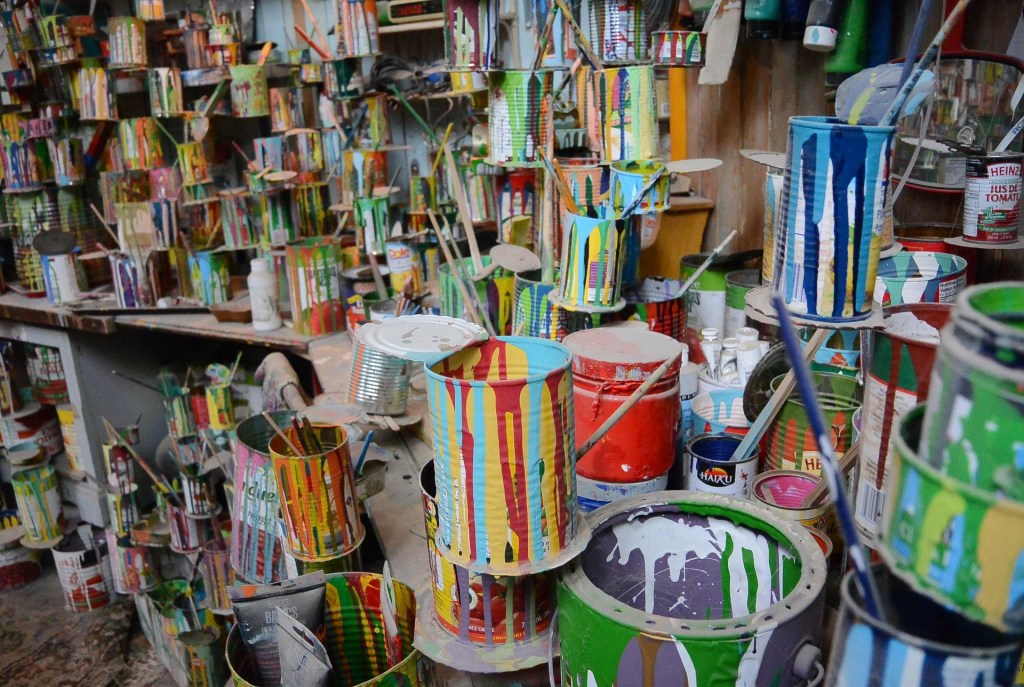
- Paint. Seems an unlikely one but you really should hit the leftovers and sample shelves before spending your hard-earned money to have a brand-new color mixed at your local hardware store. I always have small cans of black and white paint on hand so I can mix and blend what I find. When I first started decorating my new home, I had a half a dozen pieces of furniture that needed painting/sprucing up. In all but one case, I was able to buy secondhand paint that had been returned or was the wrong color at a steep discount and mix and blend to get the shade I wanted. It saved me hundreds.
12. Landscaping materials. I’ve said it before and it bears repeating: don’t spend your money on rocks. Or plants. Or pavers and bricks. Not when you can scour the Internet ‘for free’ ads and pick up what you need. Always take a friend and be careful when picking up anything from a stranger but, say, if a building site is offering free landscaping materials, then by all means, the price is right. The Enchanted Forest, my backyard, grows many wild ferns in the spring. I offer them up to friends and family at the premium cost of free, all for the digging. If you have cuttings and rootings of plants, pay it forward and offer them to friends and family.
13. Books. I have a life-long love for books, but even so, I refuse to pay retail. From your local library to thrift stores, you can buy best-selling books for a dollar, often less. If you have a library card, you can borrow them for free. I snagged a copy of Fannie Farmer’s cookbook, more than 1,200 pages overflowing with useful recipes, for just $.035. Granted, it was a paperback for but for a mere 35 cents? A superb deal. A close friend of mine is forever on the lookout for Dan Brown books (think The Da Vinci Code and Angels and Demons fame). She often snaps them up for a dollar or two hardbacks, no less. We also look forward to our twice-yearly local library book sale where we take advantage of the last day $5 fill-a-bag option. You can get a lot of books for just $5. I stock my classics- loving granddaughter’s room with books from those sales and she enjoys reading them every time she visits.

###

