Welcome to Part 2 of doing the math on the things I make/cook/ bake/create rather than buy at the store. This two-part blog is all about figuring out if making my own at home is actually worth the effort vs. the cost. In Part I, I discussed the cost vs. the savings of making my own chicken broth, Greek yogurt, spice mixes, coffee and bread.
In this installment, I will discuss the other top five things I refuse to buy in the store and we will see if the cost savings is worth it.
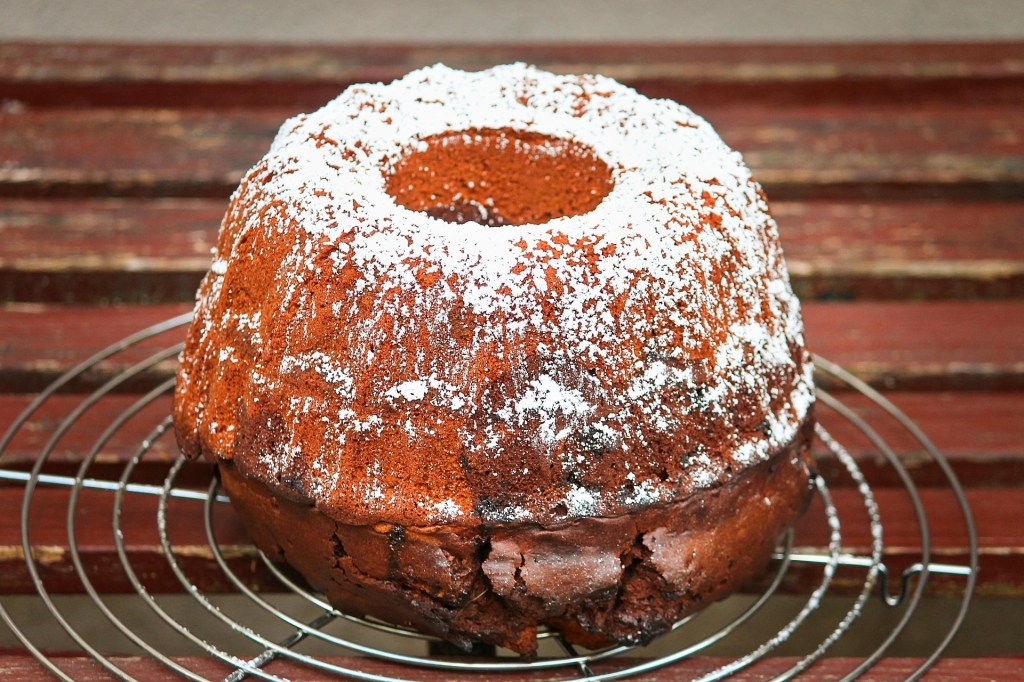
6. Desserts and baked goods. We Americans do so love our sweets but lets break that down to something more personal. I bake a lot of muffins for friends and family, at least twice a month. Homemade muffins are about $.20 a muffin/dozen versus more than $.70 each in the store. This tallies up to be $201.60 a year as opposed to just $57.60. I bake these at least twice a month which saves me $244 a year. Cookies, because of the price of the ingredients (high quality chocolate, etc.) are a wash, about the same but sure do taste better homemade. Homemade cakes, pies and other baked goods are about 50% less than store bought. I make these sporadically, but the savings is still at least $150 a year or more. I do make a lot of homemade crackers and nibbles like shortbreads and buns, rolls, etc., and this saves me at least $200 a year. We love our homemade cinnamon rolls for sure. Conservatively? I save about $594 annually in baked goods because I make them from scratch.
7. Salad Dressings and marinades. I don’t make a lot of salad dressings, but when I do, it costs less than a $1 a bottle vs. $5 from the store. Say six bottles a year and while it is only $24 but because I make all our marinades at home, that adds up to another $30 a year and honestly, I waste a lot less this way. Total savings: $54
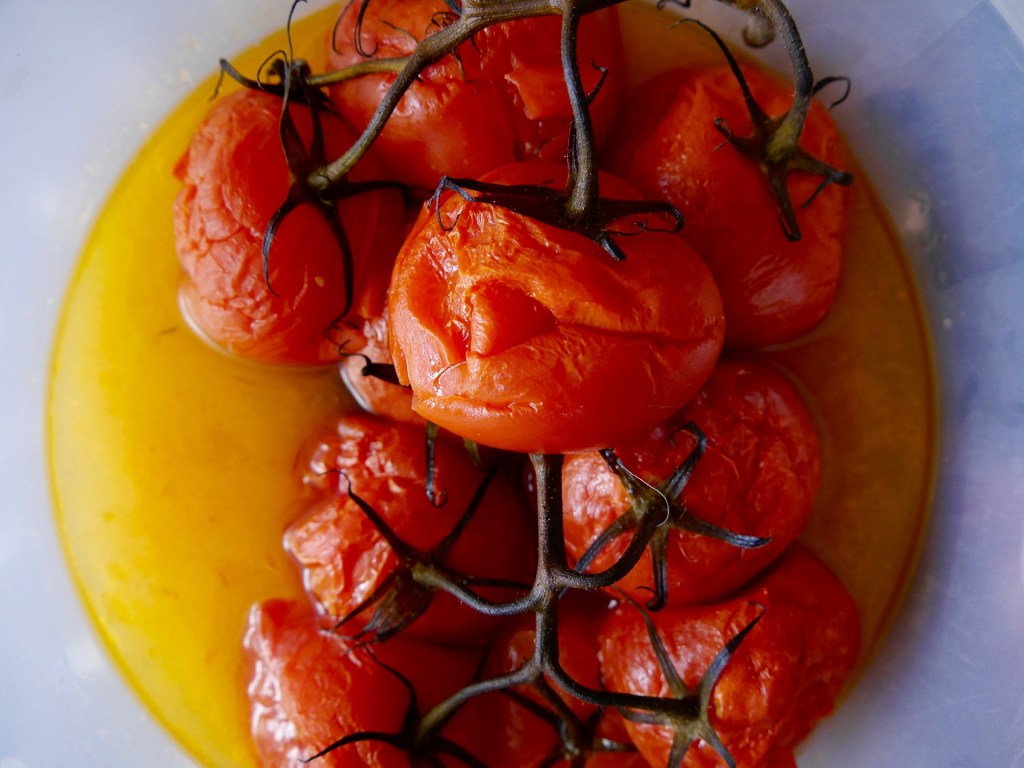
8. Pasta sauces. This is where my garden really shines. The tomatoes are nearly free so the cost is about $0.40 cents a serving vs. those fancy $8 jars from the store. I batch process the sauce in the fall (I freeze all the tomatoes and peppers until I am ready to make my sauce.) We use a lot of pasta sauce, a jar a week so $416 as opposed to making the sauce from scratch which costs me about $40 a year because I have all the jars and herbs and spices already. The only cost outlay is the onions and my time. Total, I save about $374 annually.
9. Dips are expensive. Really expensive. Onion dips made at home are often similarly prices so let’s call that a wash. Hummus is only slightly cheaper made at home, so I only save about $15 a year. Spinach dip I save about $10 a year making at home so overall? This is about quality and taste preferences. I may save just $25 a year in making my own dips but the quality that results from making these at home cannot be beat, I say we call this one a lifestyle choice.
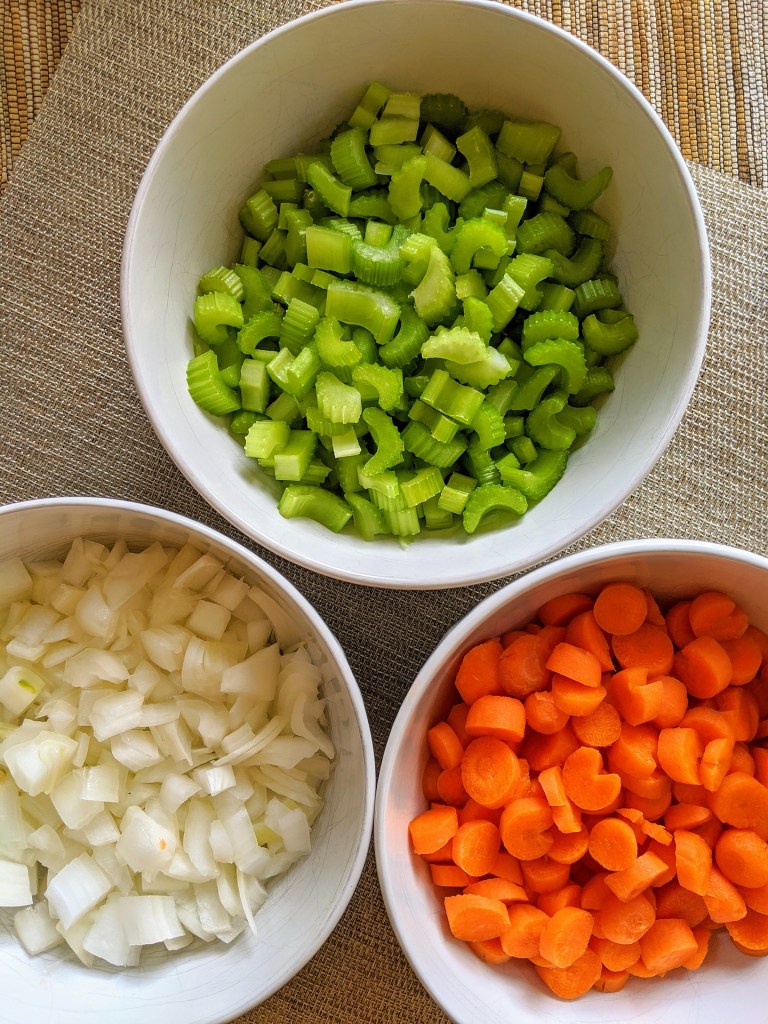
10. Prepped vegetables. OK, this is where madness sets in. Buying vegetables and fruit already cut and prepped costs you three to four times as much as hauling out a knife and vegetable chopper once a week and doing it yourself. Onions alone costs four times as much when bought diced. Broccoli three times as much. Kale prepped from the grocery store also carries a stunning 300% markup. I conservatively estimate that I save more than $600 a year by prepping all my own vegetables and fruits. We eat a lot of both, and this is where you can save a ton of money by investing in a $20 vegetable chopper if your knife skills aren’t the best.
Add all this up and I save $1647 a year from these five items alone. Add Part I and the savings really do add up. I estimate I save a whopping $4214.20 a year. That’s a really nice vacation by the way. That’s a lot of cash that stays in your pocket if you are saving for something special. No matter how you cut it, this makes the accumulative savings definitely worth it.
That being the case, I think the best strategy is to pick ten to a dozen food stuffs that you use a lot. This may not be bread or dips, it may be other things entirely but find the things you make the most and do the math to figure out which ones will save you the most money. Frugally speaking, you won’t regret it.
###

