Why we buy, and how to stop buying mindlessly
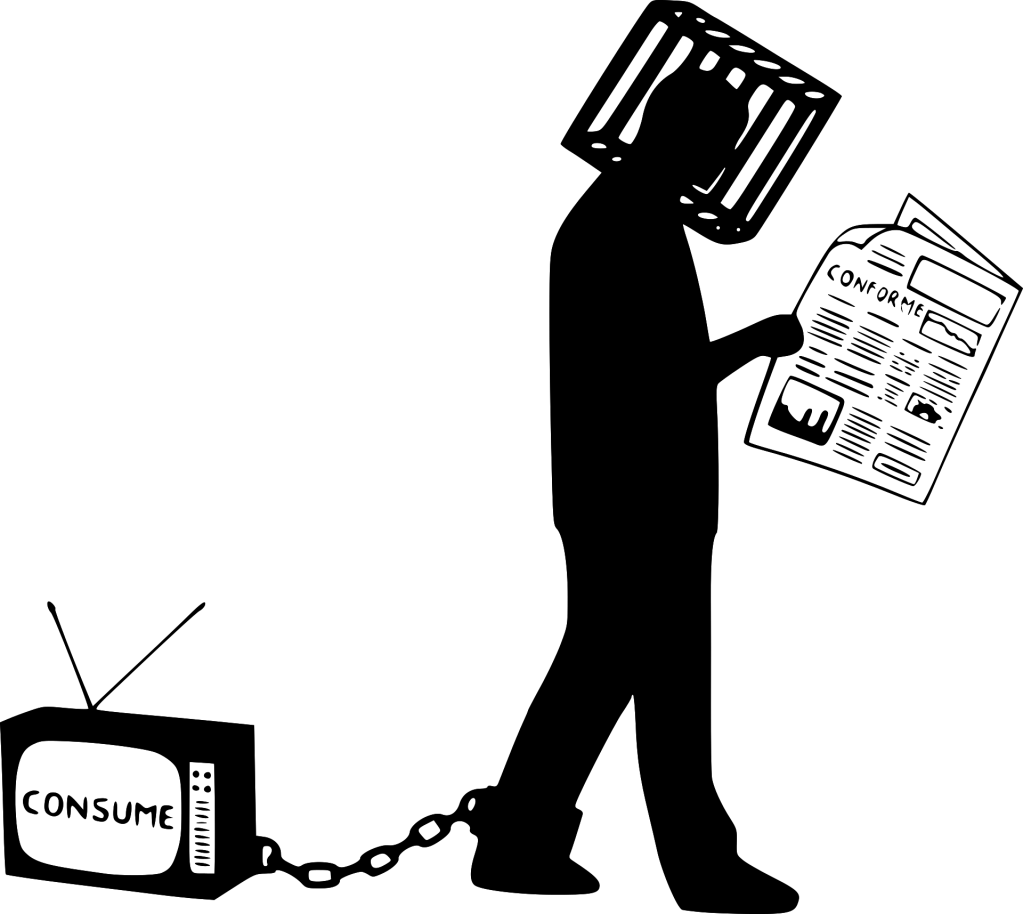
I know someone who says she cannot get rid of anything because she came from such abject poverty. She is a borderline hoarder, knows it, but cannot bring herself to purge and get rid of stuff because apparently her childhood was so austere, so deprived and so poor, that she holds on to things even to this day. Worse, she continues to buy stuff she does not need, overspending.
Let’s me be real here. I am no shrink. I have a good grasp on phycological issues thanks to advanced university classes followed by years of dealing with crazy people in high tech but again, I am not a licensed shrink or counselor by any means.
Still, I know deprivation when I hear or see it. Sometimes, when something is missing in your life, you try and fill it up with literal stuff. Overspending is therefore not a budget problem. It’s a psychology problem. Frugality isn’t just about cutting costs — it’s about understanding the unseen forces that drive us to buy things we don’t need, don’t use, and often don’t even remember purchasing.
Perhaps we buy to alleviate stress, boredom, loneliness, or frustration. A purchase becomes a quick dopamine hit — a tiny reward that fades fast. We can also conjure up a better version of ourselves using an item: an organized you, a fit you, a stylish you. But in reality? Purchases don’t create new identities — habits do.
And Internet can be enemy number one when trying to keep spending habits reigned in. Seeing what others have (or post) can trigger social pressure to “keep up.” Then, one‑click checkout, saved cards, and same‑day delivery remove barriers. The easier it is to buy, the harder it is to hit pause.
Marketing gurus long before Mad Men came along have known how to motivate potential buyers with empty promises of, “Limited time only.” “Only 3 left.” Scarcity hijacks our brain’s survival instinct — even when the item clearly isn’t essential or something we even want.
So, how do we stop buying mindlessly? A couple of strategies for this:
1. Wait just 24 hours. Delay every non‑essential purchase by one day. Most impulses fade once emotion cools.
2. Have the “Why Do I Want This?” talk with yourself. Before buying, ask yourself:
- Is this solving a real problem?
- Is this replacing something I already own?
- Is this for me, or for how I want others to see me?
This simple internal conversation can help interrupt mindless buying.
3. Remove the easy. Delete saved credit cards. Turn off one‑click checkout. Unsubscribe from retail emails. Make buying slightly harder — your bank account will thank you.
4. Know Your Triggers. Notice when you tend to overspend: late at night, after stressful meetings, during boredom, while scrolling, when you bicker with a loved one. Awareness is the antidote to impulse.
5. Learn “Replacement Satisfaction” by doing with something healthier: take a walk, savor a cup of tea, perform a quick declutter, write a journal entry. Retrain your brain to seek comfort elsewhere.
6. Embrace an “Enough” Mindset. Frugality isn’t deprivation — it’s a deliberate choice made with clarity. When you decide you have enough, the urge to accumulate fades.
The goal is intentional consumption. Spending less isn’t about depravation. It’s about freedom — financial freedom, emotional freedom, and the freedom to live life on your own terms.
Mindless buying feels good in the moment. Intentional living feels good for a lifetime.

###

