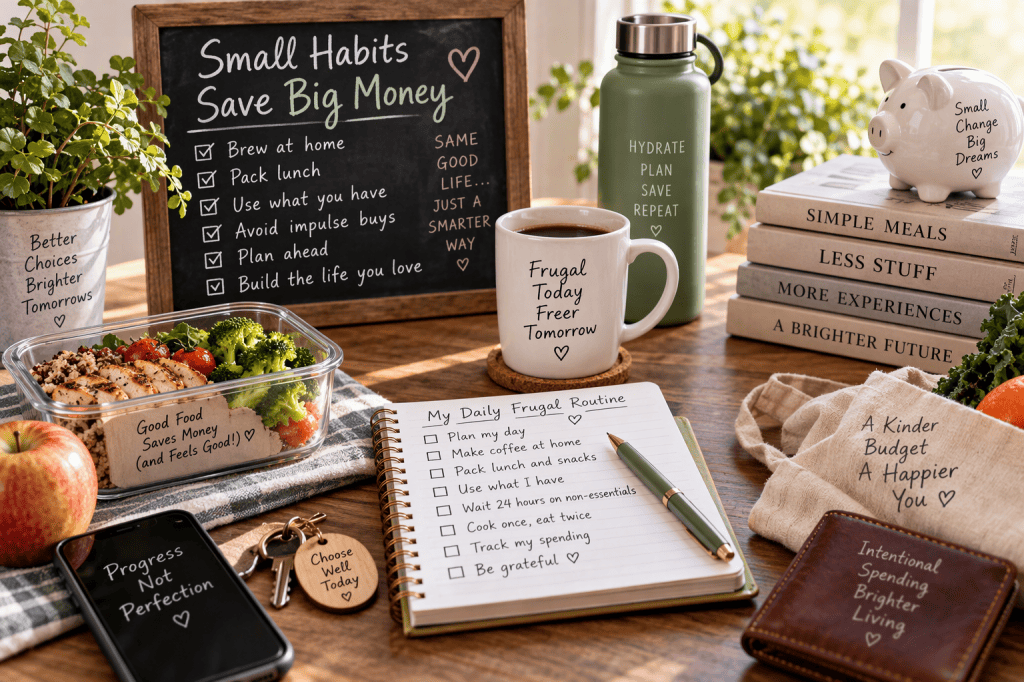
Small Habits That Save Big Money
Most people think frugality is about making dramatic sacrifices. It isn’t.
The truth is that financial success is usually built on a thousand small decisions rather than a handful of big ones. The coffee you brew at home. The leftovers you actually use up. The impulse purchase you walk away from. Individually, these choices seem insignificant. Repeated daily, they can save hundreds or even thousands of dollars each year.
The good news? Building a frugal lifestyle doesn’t require deprivation. It simply requires developing routines that make saving money the easiest option.
A few minutes of planning can save a surprising amount of money.
Before leaving the house, take inventory of what you’ll need for the day. Bring a water bottle. Pack a lunch. Grab snacks from your pantry instead of purchasing them at a convenience store.

Start the Day with a Plan
When you know what’s ahead, you’re less likely to make expensive decisions out of convenience.
Brew Your Own Coffee
Let’s address the coffee habit.
You don’t have to give up specialty coffee forever, but turning a daily coffee shop visit into an occasional treat can have a significant impact on your budget.
A $9 coffee purchased every workday adds up to more than $2,300 per year. A quality coffee maker and your favorite beans can provide the same morning ritual for a fraction of the cost.
The goal isn’t to eliminate joy. It’s to spend intentionally.
Practice the 24-Hour Rule
Impulse purchases are one of the fastest ways to derail a budget.
Whenever possible, wait 24 hours before buying non-essential items. Add them to a list, leave them in your online cart, or simply write them down.
You may discover that the urge to purchase disappears entirely.
And if you still want the item tomorrow? You’ll know it’s a considered purchase rather than an emotional one.
Cook Once, Eat Twice
One of the easiest frugal habits is making your meals work harder.
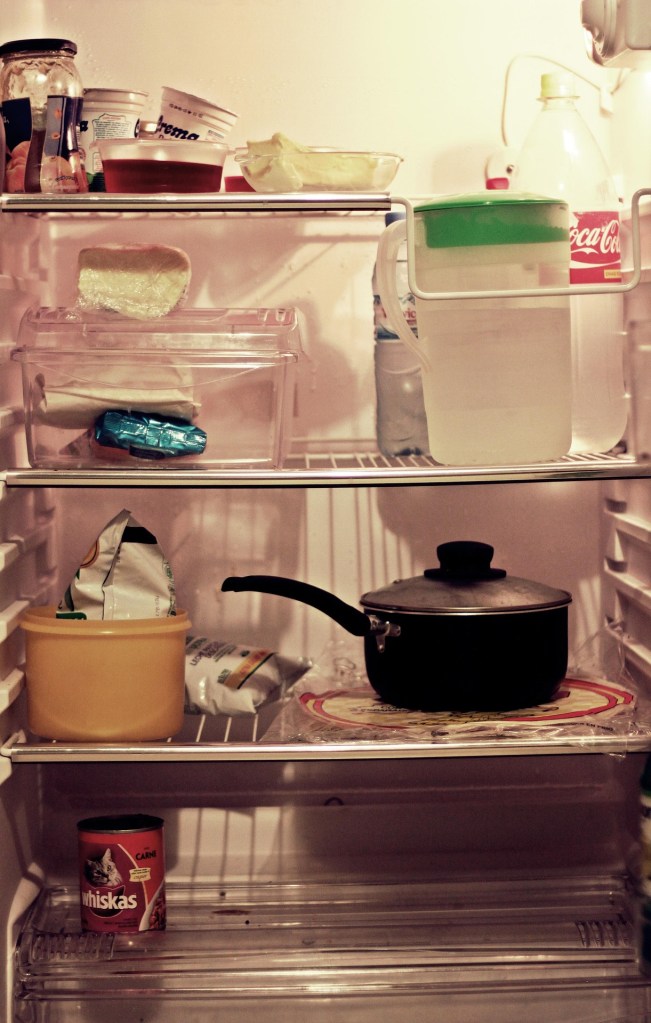
When cooking dinner, prepare enough for lunch the next day. Soups, casseroles, chili, pasta dishes, and roasted vegetables often taste even better after a day in the refrigerator.
Not only does this save money, but it also helps reduce food waste and eliminates the temptation to buy takeout.
Make “Use It Up” a Daily Challenge
Before buying something new, ask yourself a simple question:
“Do I already own something that will do the job?”
Whether it’s food, cleaning supplies, craft materials, clothing, or household items, most of us already have more resources on hand than we realize.
Adopting a “use it up, wear it out, make it do, or do without” mindset can save substantial money over time.
Walk Away from Convenience
Convenience is expensive.
Food delivery fees. Expedited shipping. Single-use products. Pre-cut fruit. Individually packaged snacks.
None of these purchases are wrong, but they often come with a premium price tag.
When practical, choose the slightly less convenient option. The savings accumulate faster than you might expect.
End the Day with a Five-Minute Money Check
Before bed, spend five minutes reviewing your spending.
Did you stay on budget? Did you avoid unnecessary purchases? Is there anything you can do tomorrow to save a little more?
This simple habit increases awareness and helps prevent small spending leaks from becoming major financial drains.
Remember the Goal
Frugality is not about having less.
It’s about getting more value from every dollar you earn.
A frugal daily routine isn’t built on perfection. It’s built on consistency. Small savings repeated day after day eventually become lower stress levels, stronger financial security, and greater freedom to spend on the things that truly matter.
The little decisions matter. Make enough good ones, and you’ll be amazed at where they lead.
###

